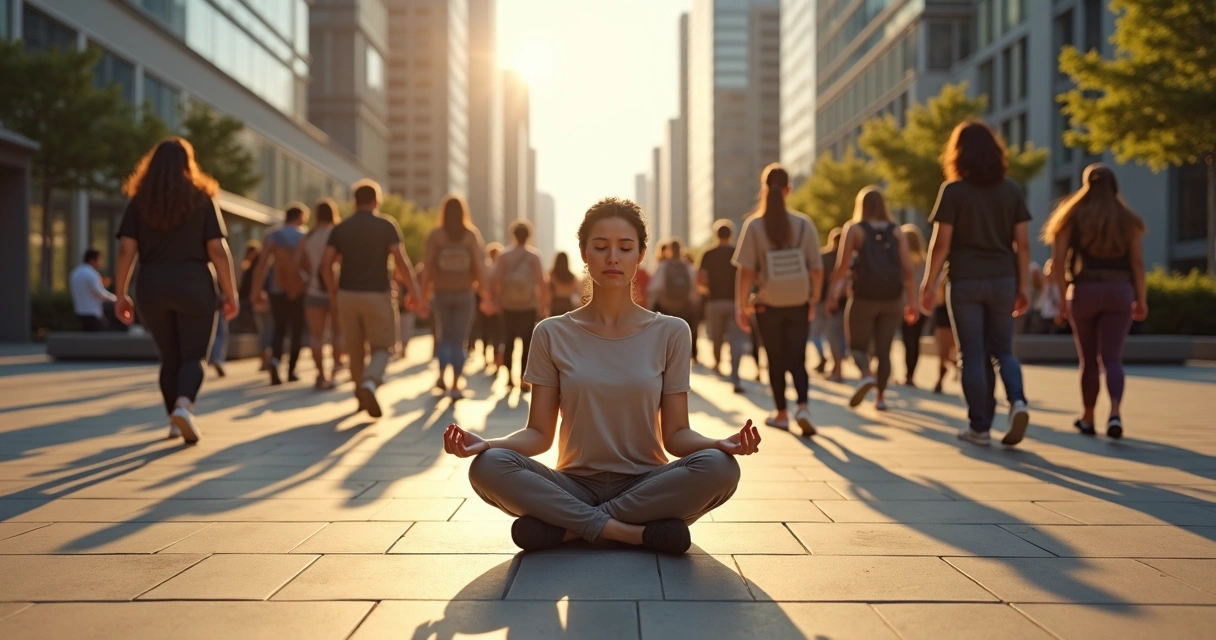
We often think of activism as public action. Marches. Meetings. Speeches. Campaigns. Yet the inner life of activism matters just as much. If we carry anger without reflection, or compassion without limits, our work can become harsh, scattered, or draining. Spirituality gives activism a center. It helps us act with courage while staying human.
Spirituality in activism means bringing awareness, ethics, and inner steadiness into social action.
We have seen this tension in ordinary moments. A person speaks for justice all day, then goes home numb and unable to rest. Another stays gentle and caring, but avoids conflict and never takes a stand. Both cases show the same truth. Social engagement and inner care must grow together.
When spirituality is grounded, it does not pull us away from the world. It brings us closer to reality. It teaches us to listen before reacting, to serve without trying to control, and to keep our dignity even in tense spaces.
Why activism needs an inner foundation
Activism asks a lot from the body, mind, and heart. We face injustice, loss, urgency, and disagreement. Without an inner foundation, many people begin with passion and end in exhaustion.
Research helps us see this clearly. A survey of disability activists in England found that about 89% reported feeling somewhat to extremely burnt out. That number is hard to ignore. It tells us that care is not a side issue in social engagement. It is part of the work itself.
Care keeps action clean.
An inner foundation does not mean we become passive. It means we stop feeding chaos with more chaos. We act from clarity instead of from constant emotional overload. In our view, this changes the tone of activism in three ways:
- It lowers reactive behavior in moments of conflict.
- It helps us stay connected to people, not just positions.
- It supports long-term commitment instead of short bursts followed by collapse.
When people feel centered, they are more likely to choose words with care, set boundaries, and keep showing up over time.
What balance really looks like
Balance is not a perfect split between rest and action. Life rarely works that way. Some seasons call for stronger public engagement. Other seasons ask for recovery, grief, or silence. Balance is better understood as rhythm.
Healthy activism moves in rhythms of engagement, reflection, and renewal.
We may spend one week organizing, writing, and speaking. Then we may need a slower day with less noise, more breathing room, and honest self-checking. This is not weakness. It is discipline.
A simple way to notice balance is to ask:
- Are we acting from conviction or from pressure?
- Are we still able to listen deeply to others?
- Are we sleeping, eating, and recovering well enough to think clearly?
- Are our close relationships receiving any real presence from us?
These questions can be uncomfortable. Still, they protect us from turning a meaningful cause into a pattern of self-neglect.

How care protects social commitment
Many people hear self-care and think of escape. We think of maintenance. Care helps us protect the quality of our presence. If we ignore our limits for too long, our reactions become less trustworthy. We may snap at allies, lose focus, or start seeing every disagreement as a threat.
There is also a mental health side to this. A study on activism involvement and mental health among students at an HBCU found that higher activism involvement was linked with higher anxiety and depressive symptoms, while family support was tied to lower anxiety and depression. That tells us something very practical. Close support matters.
This support can come from different places:
- Trusted family members who help us stay emotionally honest.
- Friends who know how to listen without pushing quick answers.
- Communities of practice where silence, reflection, or prayer are welcomed.
- Professional support when stress becomes too heavy to carry alone.
Care is not only personal. It can also be collective. Groups can build better habits by making space for check-ins, rest, grief, and repair after conflict. A movement that never pauses to care for people may win attention but lose its people.
Practices that help us stay grounded
Grounding practices do not need to be dramatic. In fact, simple habits often work best because we can return to them under pressure. We have found that short, repeatable practices help more than ideal plans that no one can sustain.
Here is a sequence many people can use before or after activism work:
- Pause for three slow breaths and relax the jaw and shoulders.
- Name what is present: anger, grief, hope, fear, or fatigue.
- Ask what belongs to this moment and what can wait.
- Choose one clear action instead of ten scattered ones.
- Return later for rest, reflection, or honest conversation.
Grounding is the practice of staying present without becoming flooded.
Some people prefer silent meditation. Others walk, pray, write, or sit with music in a quiet room. What matters is not style alone. What matters is whether the practice helps us come back to truth, responsibility, and compassion.
We also need practices during conflict. In a hard meeting, grounding may look like keeping both feet on the floor, slowing the breath, and listening long enough to understand the real issue. This can prevent moral passion from turning into personal injury.

Compassion without burnout
One of the hardest lessons in activism is this: we cannot help everyone at once. We may feel guilty when we rest while others suffer. That feeling is understandable. But guilt is not always wise. If we let guilt rule us, it can push us into frantic action that helps no one for long.
Compassion needs form. It needs pace. It needs boundaries. We can care deeply and still say no to one more task, one more late-night call, or one more argument that will go nowhere.
Rest can be part of service.
We think mature activism includes these boundaries:
- Saying yes to the work we can do with integrity.
- Saying no when our body and mind show clear signs of strain.
- Stepping back from hostile cycles that only spread harm.
- Making room for joy, art, friendship, and ordinary life.
This is not withdrawal from justice. It is how we protect our capacity to remain faithful to it.
Conclusion
Spirituality in activism is not about becoming distant from struggle. It is about staying awake within it. We act, but we also reflect. We care for others, but we also care for the conditions that allow us to keep caring. We speak against harm, while refusing to let harm shape our inner life.
When activism is joined with grounded spirituality, our presence changes. We become firmer without becoming cold. More compassionate without becoming naive. More committed without losing ourselves. That balance is not perfect, and it is never finished. Still, it is a path worth walking, one honest step at a time.
Frequently asked questions
What is spirituality in activism?
Spirituality in activism is the practice of bringing inner awareness, moral clarity, and compassion into social action. It helps us work for change without losing our humanity, our sense of truth, or our connection to others.
How can I balance care and action?
We can balance care and action by working in rhythms. That means taking part in public action, then making time for rest, reflection, and emotional check-ins. Clear boundaries, supportive relationships, and simple grounding habits help keep that rhythm steady.
Why is self-care important for activists?
Self-care matters because activism can place heavy stress on the mind and body. Without care, people may face burnout, anxiety, and emotional numbness. Caring for ourselves protects the quality, clarity, and continuity of our social engagement.
How to stay grounded during activism?
We stay grounded by returning to the body and the present moment. Slow breathing, short pauses, prayer, journaling, walking, and honest conversations can all help. In tense moments, it also helps to speak more slowly, feel both feet on the floor, and focus on one clear action.
What are spiritual practices for activists?
Helpful spiritual practices for activists include meditation, silent reflection, prayer, mindful walking, journaling, gratitude practice, and community circles for listening and support. The best practice is one that helps us stay present, compassionate, and responsible in the middle of social struggle.