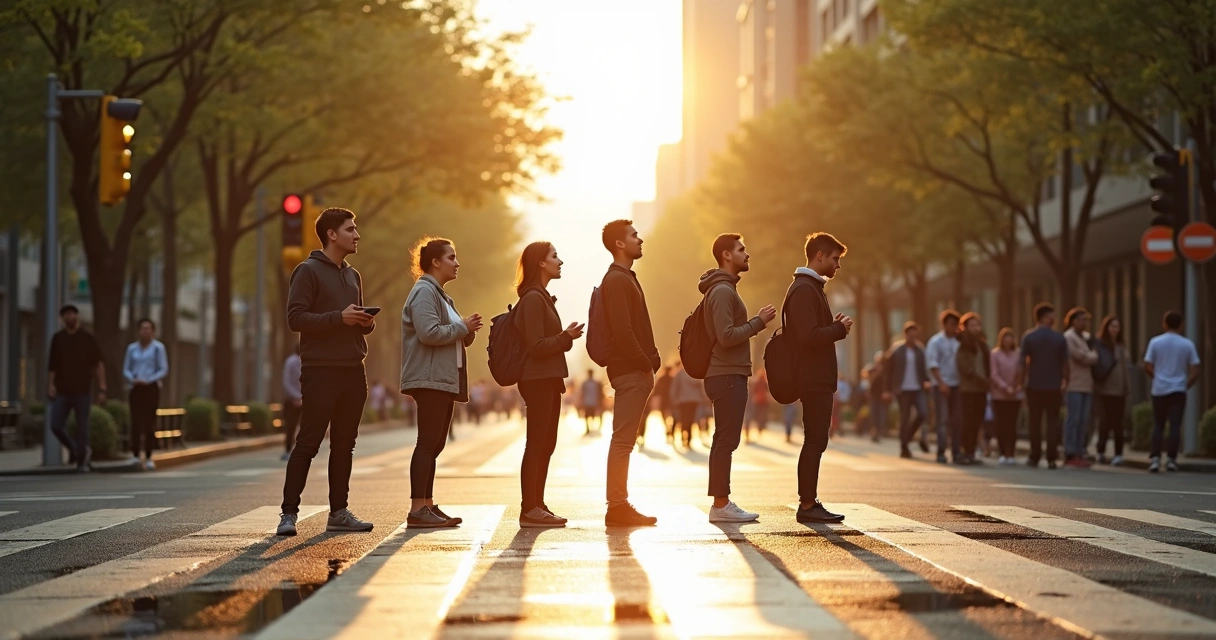
Public spaces test who we are. A bus stop, a park bench, a grocery line, a crowded train platform. These places do not ask what we believe. They reveal how we carry ourselves when life is shared with strangers.
We think spiritual presence in public is not about display. It is about the quality of attention we bring into ordinary moments. Spiritual presence becomes visible when inner awareness shapes public behavior.
Many of us have felt the shift. Someone lets another person go first. A tense voice softens. A distracted crowd makes room for an older adult. Nothing dramatic happens. Yet the whole space changes.
Presence has social weight.
Interest in meditation and mind-body practices has grown over time. An overview of meditation as a mind-body method noted that a national survey found about 10% of U.S. adults had some meditation experience. Public life is one reason this matters. If inner practice affects the body, stress, and symptoms, then it can also affect the way we show up around others.
Start with grounded attention
The first way to embody spiritual presence is simple. We arrive before we react. Public spaces pull our attention in many directions. Noise, screens, movement, waiting, pressure. If we do not notice our own state, we can spread our tension without meaning to.
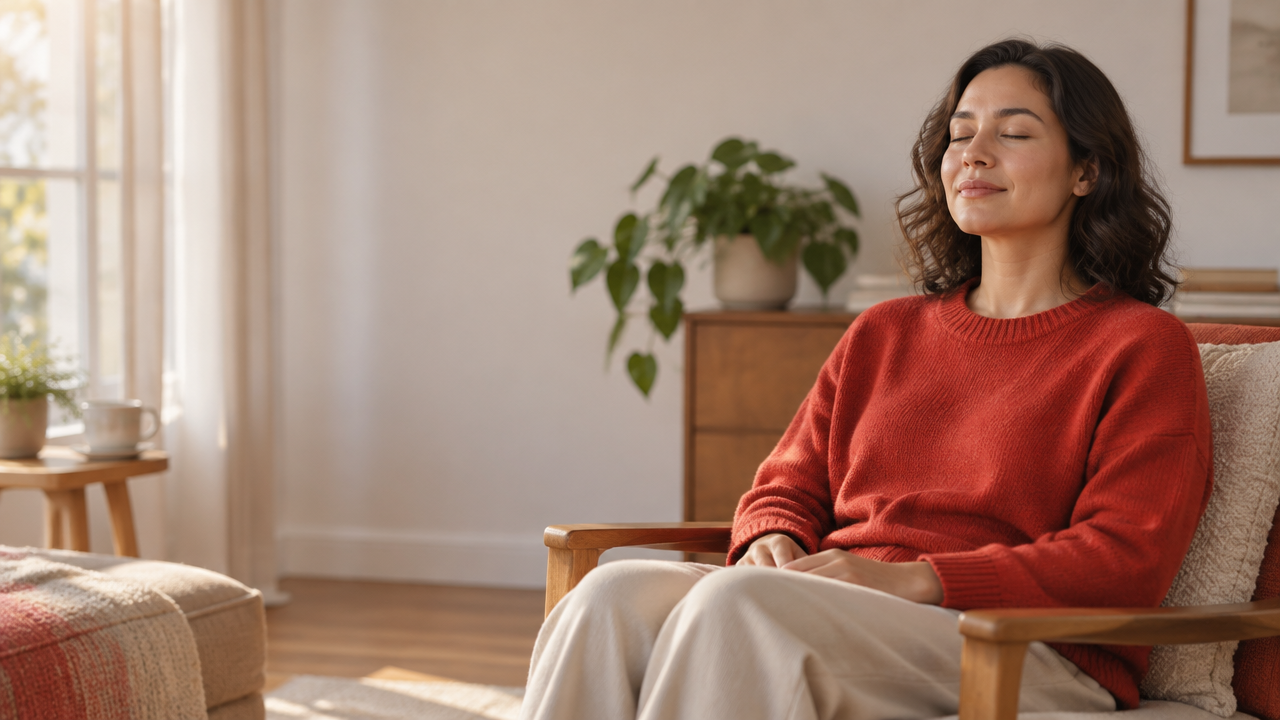
We can begin with the body. Feel both feet on the ground. Let the jaw soften. Take one slower breath. Look around without rushing to judge what we see.
This takes only a few seconds, but it changes the tone of our presence. We stop moving as if the world is an obstacle course. We begin to move with awareness.
In our experience, grounded attention helps most in places where impatience is common:
Checkout lines
Traffic lights and crosswalks
Waiting rooms
Public transit
A calm body often prevents a careless action before it starts.
That matters, because public life is made of small contacts. A shoulder bump, a sharp tone, a door closed too fast. These things seem minor, yet they shape the emotional climate around us.
Practice respectful awareness of others
The second way is to notice people without turning them into background objects. Public spaces can make us self-focused. We think about our schedule, our stress, our destination. Meanwhile, other people become delays, noise, or inconvenience.
Spiritual presence restores relationship. It reminds us that every person we pass has burdens we cannot see.
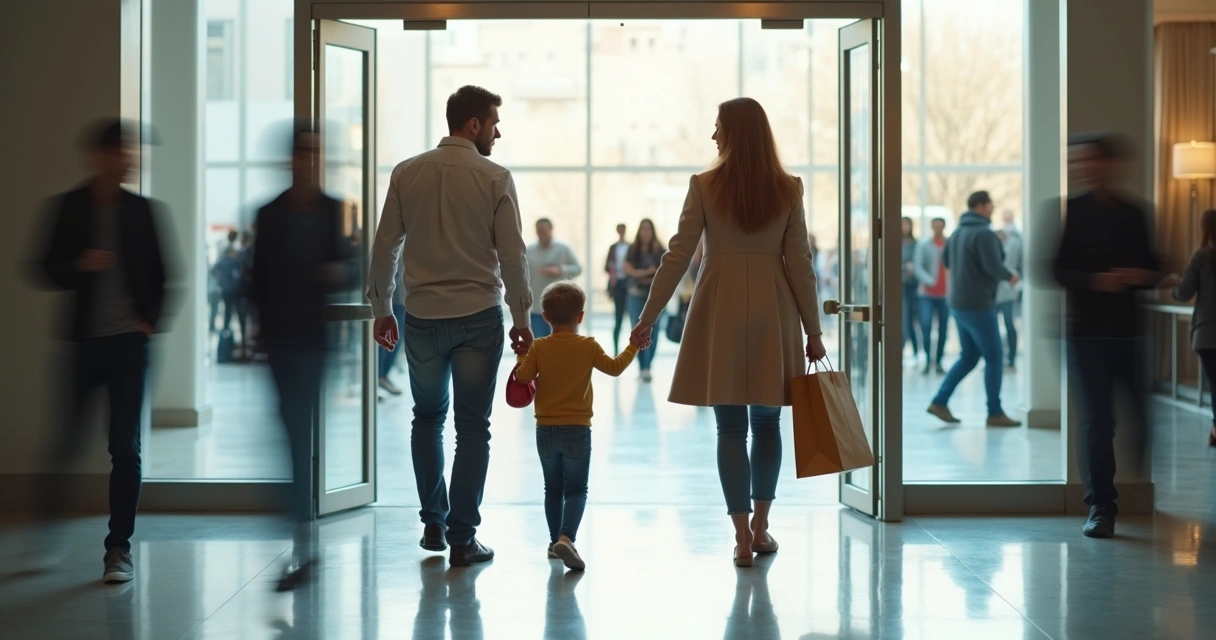
One afternoon, many of us have seen the same scene. A parent is struggling with bags and a child. People look away. Then one person holds the door. It is a small act, but it says, “You are not alone in this moment.”
Respectful awareness can take forms like these:
Making room instead of competing for space
Keeping our phone volume low
Letting someone exit before we enter
Not staring at someone in visible distress
Research on meditation habits also shows that participation differs across social groups. A peer-reviewed analysis of mindfulness practice patterns found uneven participation by education, gender, and race. We see in this a useful reminder: public spiritual presence should never assume that everyone shares the same language, practice, or comfort level. Respect comes before expression.
Choose a steady tone under pressure
The third way is one of the hardest. We guard our tone when stress rises. It is easy to speak kindly when things go well. Public spaces become spiritual training when plans break, lines slow down, and other people act without care.
Presence is tested less by silence than by friction.
We do not mean becoming passive. Boundaries still matter. If someone cuts in line, we can speak clearly. If a problem needs attention, we can address it. But our tone can remain human.
We have all heard the difference between these two energies. One says, “Move.” The other says, “Excuse me.” Same goal. Different effect.
When pressure rises, it helps to pause before speaking. We can ask ourselves:
Am I trying to solve the issue, or release my irritation?
Will my next sentence reduce strain or add to it?
Can I be direct without being harsh?
This is where inner work becomes public ethics. The words we choose enter a shared space. Other people feel them. Children hear them. Workers absorb them. Strangers carry the echo of them.
Offer quiet acts of care
The fourth way is to practice care that does not seek attention. Public spirituality does not need performance. In fact, some of its strongest forms are almost invisible.
We may pick up litter that is not ours. We may return a cart. We may offer a seat. We may stand near someone who seems unsafe without making the moment about ourselves.
These acts matter because they make shared life more livable. They reduce strain for people we may never meet again.
A brief summary from an analysis of differences between meditators and non-meditators notes that people who meditate often differ in health behaviors and access patterns. We take this as a social reminder too. Inner practice can shape lifestyle, but its public value appears when it becomes care, fairness, and responsibility in everyday settings.
Some quiet acts are practical enough to become habits:
Cleaning a small shared mess if we can do it safely
Giving full attention to a service worker for one minute
Walking at a pace that does not force others aside
Making space for silence instead of filling every moment with noise

Carry inner silence without withdrawing
The fifth way is to remain inwardly quiet while staying available to life around us. Some people think spiritual presence means detachment. We see it differently. It means being centered enough to meet reality without hardening.
There is a kind of silence that closes the world out. There is another kind that helps us listen better. Public spaces need the second kind.
We can sit on a train and notice our breath without becoming absent. We can walk through a busy street and keep an inner stillness while staying alert to people, sound, and movement.
True public presence joins inward steadiness with outward consideration.
This balance keeps spirituality from becoming escape. It helps us remain real, responsive, and connected. We do not disappear into ourselves. We become more available to what the moment asks.
Conclusion
To embody spiritual presence in public spaces, we do not need grand gestures. We need honest attention, respect for others, a steady tone, quiet care, and inner silence that stays connected to the world.
Shared spaces reveal whether our values can walk, wait, listen, and respond among other lives. That is where spiritual maturity becomes visible. Not in display. In conduct.
How we share space shows who we are.
Frequently asked questions
What is spiritual presence in public spaces?
It is the practice of bringing awareness, calm, respect, and care into shared places like streets, buses, stores, parks, and waiting areas. It does not depend on outward display. It shows in how we speak, move, notice others, and handle pressure.
How can I embody spiritual presence daily?
We can start with small habits. Pause before reacting. Breathe and relax the body. Keep a respectful tone. Notice who may need space or help. Offer simple acts of care without seeking praise. Daily repetition turns these actions into a stable way of being.
Why practice spiritual presence in public?
Public spaces affect our mood and our relationships. When we bring awareness into them, we reduce tension and add steadiness to shared life. This practice also keeps spirituality grounded in real behavior, where it can ease strain and support human dignity.
Is it respectful to show spirituality publicly?
Yes, if it is expressed through humility, kindness, restraint, and respect for difference. Public spirituality should not pressure others or assume shared beliefs. The most respectful form is often quiet and practical, shown through conduct rather than display.
What are simple ways to be spiritually present?
Simple ways include walking with attention, lowering our voice, holding a door, giving someone space, listening without impatience, and pausing before sharp speech. These actions are modest, but they can change the atmosphere around us in a real way.